
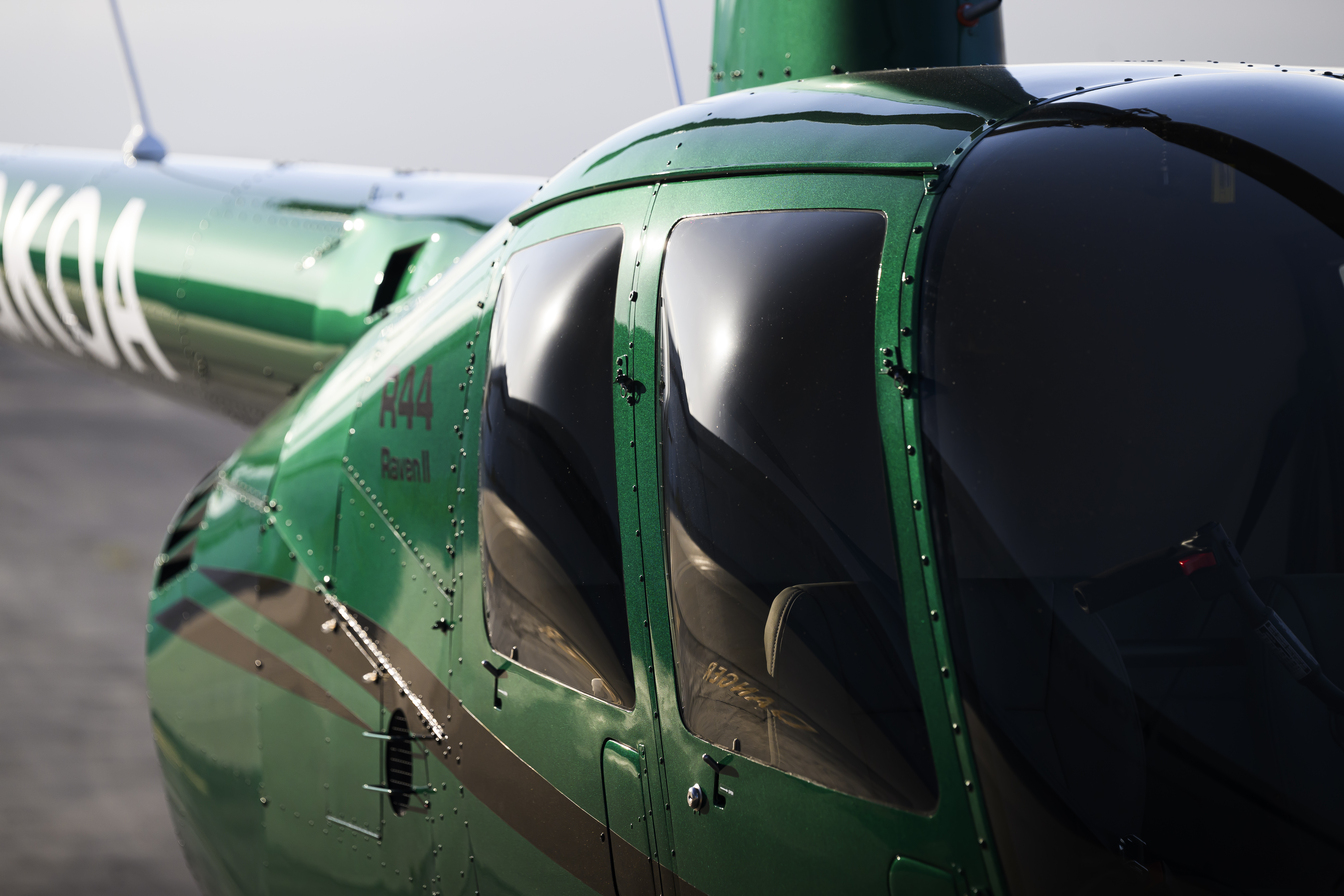
In the world of private aviation, there are aircraft that are recognized even by people who have never been interested in helicopters. Over the past decades, Robinson Helicopter Company has become exactly that kind of brand. These helicopters can be seen in flight schools, private ownership, tourism companies, and business aviation operations around the world. Their popularity did not come from aggressive marketing, but from something much more important — Robinson made helicopters accessible to private owners.
For many years, helicopters were associated only with extremely expensive and complex aviation. Operating costs were high, and ownership was limited mainly to large corporations or government organizations. Robinson changed this perception by focusing on light helicopters that were easier to fly, easier to maintain, and more practical for pilots without decades of experience.
Because of this approach, Robinson effectively became the first mass-market brand in private helicopter aviation. For many pilots, their first real flight experience happens in a Robinson helicopter. These aircraft are widely used in flight training around the world, which means thousands of people begin their aviation journey with them.
One of the key reasons for their popularity is simplicity. Robinson helicopters do not feel overloaded with unnecessary technology or overly complicated systems. The design focuses on practical flying and intuitive control. For beginners, this is especially important because it allows them to concentrate on learning how to fly instead of constantly managing complex avionics.
Another major advantage is versatility. Robinson helicopters work well in many different roles. Some owners use them for personal travel, others for training, sightseeing flights, or business-related tasks such as land inspections and real estate operations. This flexibility has made them popular across several industries at the same time.
Operating practicality also played a huge role in their success. A helicopter should not spend most of its life sitting in a hangar because maintenance is too expensive. Robinson became one of the few options where ownership felt realistic not only for large companies, but also for entrepreneurs and private pilots.
The widespread popularity of the brand created another important benefit — infrastructure. When an aircraft is used globally, it becomes easier to find instructors, service centers, technicians, and spare parts. For owners, this creates confidence and predictability instead of the feeling of dealing with an overly complicated machine alone.
There is also a psychological factor. Robinson helicopters are not viewed as exotic aviation for a small elite group. Instead, they are seen as a practical and realistic entry point into the world of helicopters. That is why many people who once considered helicopter ownership impossible now see it as an achievable goal.
At the same time, popularity does not mean Robinson helicopters are the most luxurious or technologically advanced aircraft on the market. Their strength lies elsewhere — practicality. And in private aviation, practicality is often what truly determines purchasing decisions.
Today Robinson remains one of the most recognizable names in the light helicopter market. Judging by how often these helicopters continue to appear in training programs, private aviation, and tourism projects, their popularity is clearly based not on trends, but on their ability to meet the real needs of pilots and owners.

