
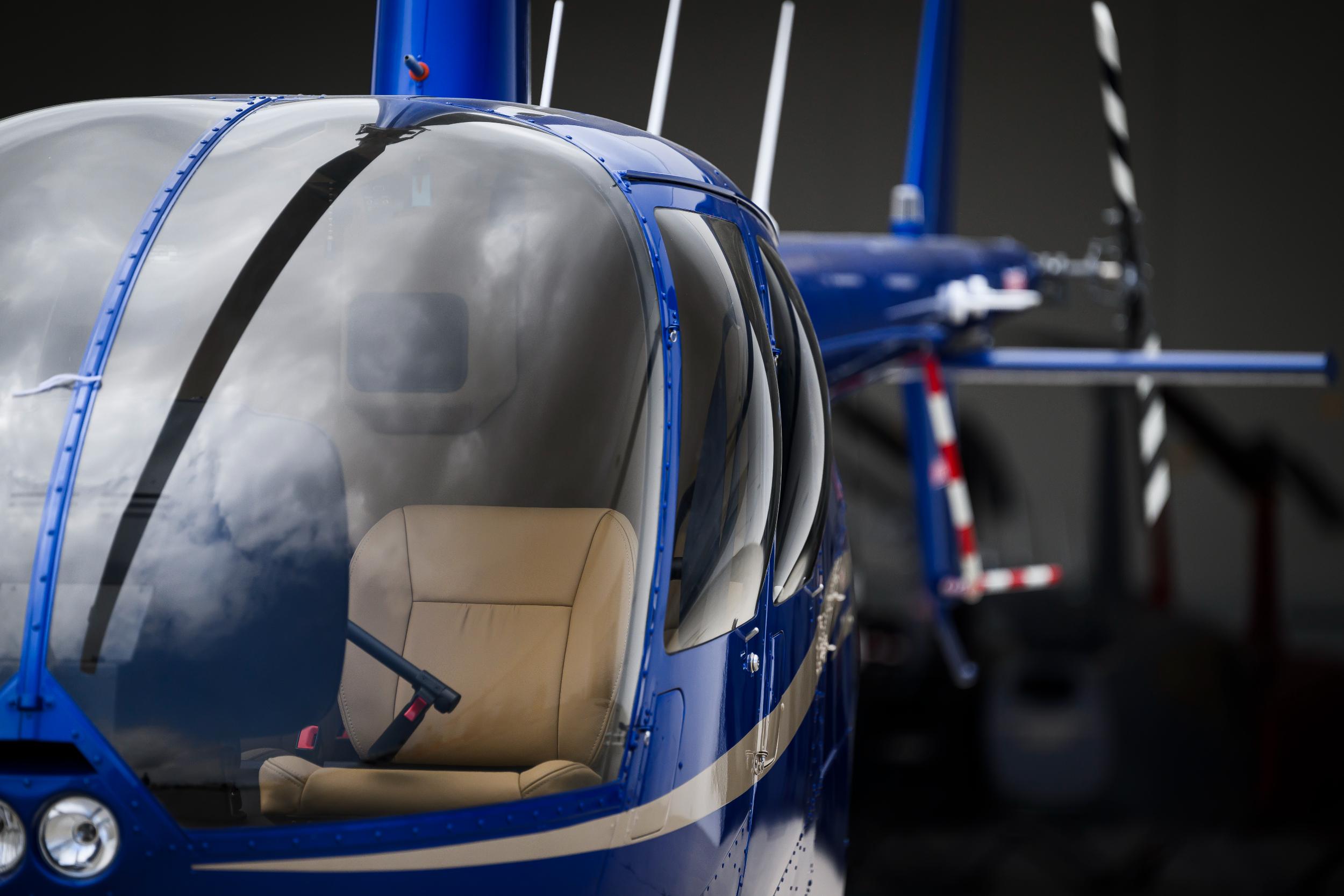
For a person who is just beginning to explore aviation, a helicopter often seems incredibly complex. From the outside, controlling it looks almost impossible: dozens of simultaneous movements, constant monitoring of altitude, direction, and speed. That is why choosing the first helicopter plays a huge role in training and in shaping a pilot’s future attitude toward flying.
This is exactly where helicopters from Robinson Helicopter Company have become almost the global standard for beginners. Their popularity is not based on a famous name, but on the fact that they truly make entry into aviation significantly easier.
The first thing pilots and instructors point out is the intuitive control system. Robinson does not overload a beginner pilot with complex electronics or a large number of automated systems. This allows students to quickly feel the mechanics of flight and understand how the helicopter responds to pilot inputs.
For a beginner, this is especially important because the first hours in the air are always associated with high concentration and a large amount of new information. When the machine behaves predictably, the learning process becomes calmer and more confident.
Another important factor is size and maneuverability. Lightweight Robinson models give a sense of control over the aircraft already in the early stages of training. The helicopter does not feel “too large” or heavy to handle, which reduces psychological pressure on students.
Instructors also value Robinson for its flight stability. For training, it is important that a helicopter responds consistently across different modes: hovering, climbing, landing, and maneuvering. This predictability helps students develop confidence faster.
Another key advantage is the widespread use of these models. Robinson helicopters are used in a huge number of flight schools around the world. This means that students are not only learning on popular equipment but also gaining skills that are easily transferable after obtaining a license.
There is also another reason that is rarely mentioned directly: Robinson helps reduce fear of aviation. Many people come into training believing that helicopters are machines reserved only for military pilots or professionals with many years of experience. But after the first lessons, it becomes clear that training is gradual and accessible to an ordinary person.
At the same time, Robinson does not create an illusion of “too easy” control. On the contrary, it allows students to honestly master basic piloting skills without artificial complexity. That is why many pilots believe this type of aircraft forms a more correct understanding of helicopter aviation.
It is also important that after training, pilots do not feel the need to completely retrain. Many continue flying Robinson helicopters in private or personal use. This makes the transition from student to licensed pilot significantly smoother.
In the end, Robinson became popular among beginners not because of marketing or trend, but because these helicopters turned out to be the most understandable, practical, and logical choice for the first step into aviation. In training, this often matters more than any advanced technology or impressive specifications.

