
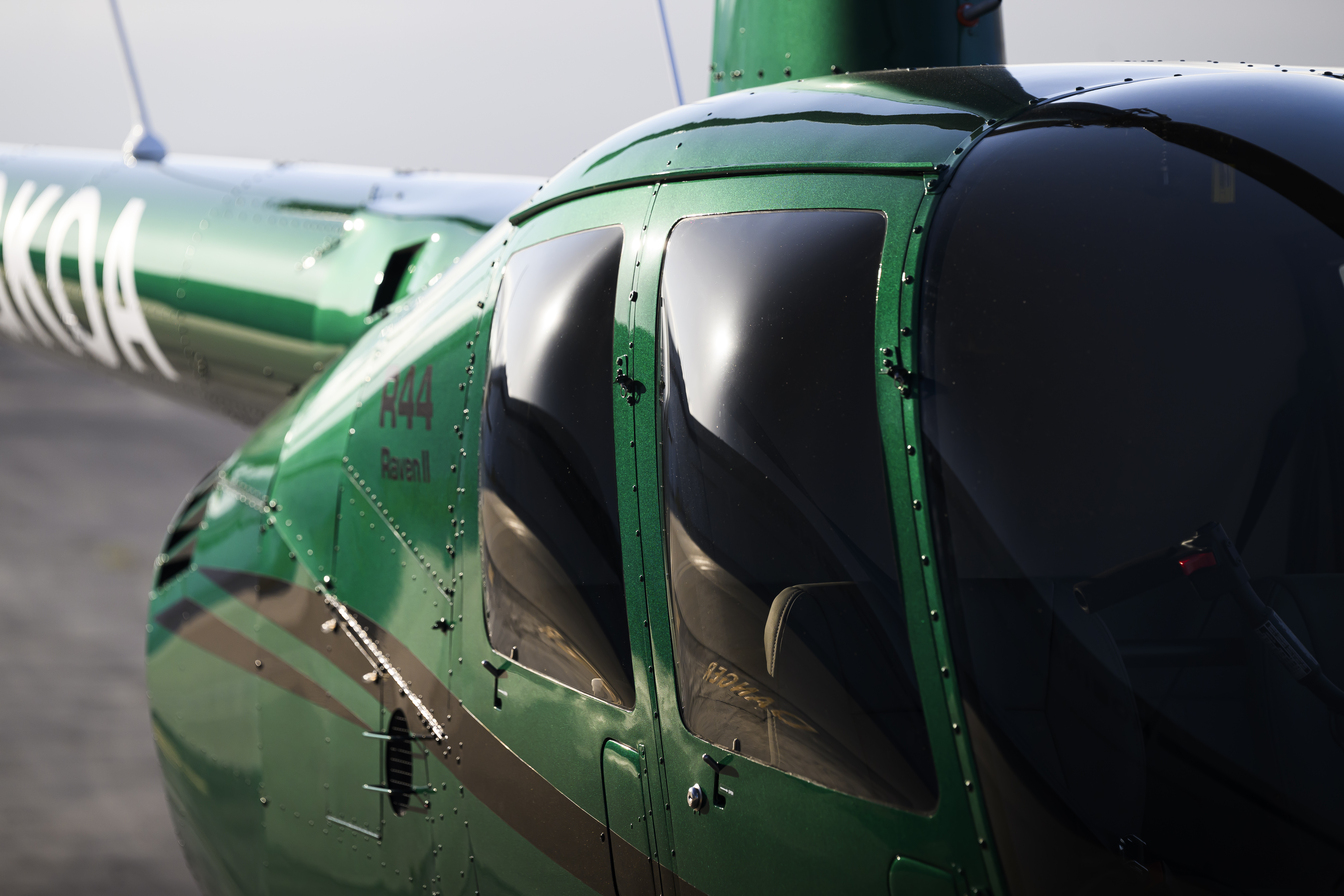
When choosing a helicopter, most buyers focus not only on the purchase price but also on operating costs, ease of training, and how often the aircraft will actually be used. In this context, Robinson helicopters have established themselves as a practical solution, especially in the light aviation segment.
One of the main advantages of Robinson helicopters is the cost of ownership. It is not just about the initial price, but about ongoing expenses. Compared to many other helicopters, maintenance, spare parts, and scheduled servicing are more predictable and generally more affordable. This makes it possible for owners to fly more often instead of limiting usage due to high costs.
Another important factor is the simplicity of design. Robinson helicopters are built with a focus on straightforward engineering solutions. They have fewer complex systems compared to larger and more expensive models. This reduces maintenance time and lowers the likelihood of complicated technical issues. For the owner, this means less downtime and more consistent availability.
Training accessibility is also a strong advantage. Many pilots begin their flight training on Robinson helicopters. Their handling characteristics help students understand the fundamentals of helicopter control more quickly. At the same time, the aircraft remains predictable, which is critical during the learning process. In addition, due to their popularity, it is easier to find flight schools and instructors that offer training on these helicopters.
The global presence of Robinson helicopters also plays a significant role. Since they are widely used around the world, it is easier to find service centers, spare parts, and qualified pilots familiar with these models. This reduces operational risks and dependence on specific regions or suppliers.
Robinson helicopters are also versatile in real-world use. They are commonly used for pilot training, private flights, aerial photography, and various operational tasks. They do not require complex infrastructure, which makes them suitable for everyday aviation needs rather than specialized use only.
When compared to heavier helicopters, the differences become even more noticeable. Robinson models offer lower operating costs, simpler maintenance, and faster readiness for flights. However, larger helicopters may provide greater range, payload capacity, and comfort, but at significantly higher costs.
It is important to consider certain limitations as well. Robinson helicopters typically have lower passenger capacity, shorter range, and less onboard comfort compared to premium-class helicopters. Therefore, they are best suited for specific tasks rather than all possible aviation needs.
In summary, the advantages of Robinson helicopters are closely tied to practicality. They are widely used because they are accessible, reliable, and efficient. For training, private use, and operations where cost control and simplicity are important, they remain one of the most востребованных решений in light helicopter aviation.

