
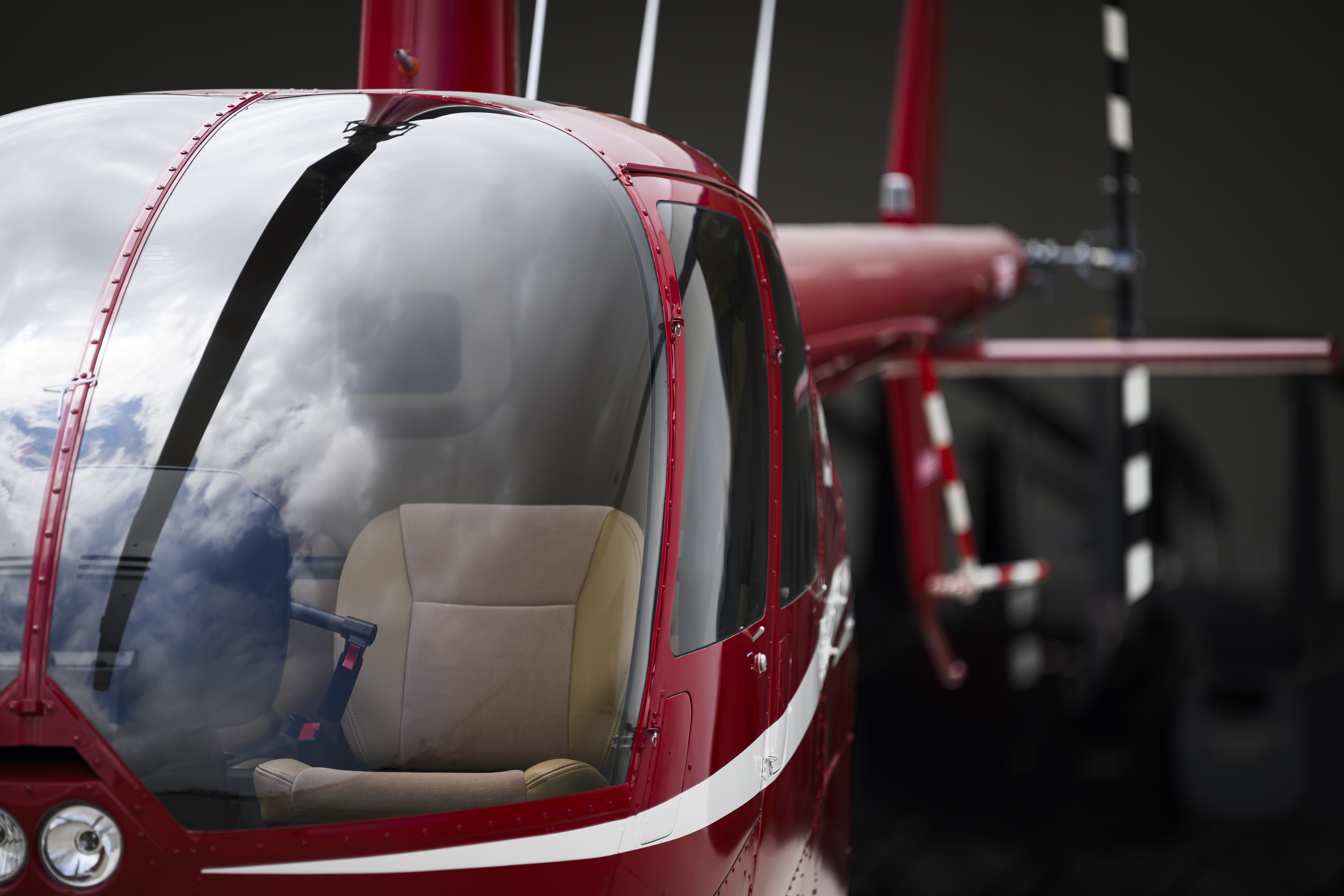
Helicopter ownership offers exceptional flexibility, speed, and access to remote locations. However, owning a helicopter also means understanding the importance of proper maintenance. Regular inspections, timely servicing, and adherence to manufacturer standards are essential for safe and efficient operation. Whether you own a private aircraft or operate helicopters commercially, maintenance plays a critical role in the long-term reliability of your aircraft.
Manufacturers such as Robinson Helicopter Company provide strict maintenance guidelines to ensure that helicopters operate safely throughout their service life.
Unlike many other aircraft, helicopters operate under complex mechanical loads. The rotor system, transmission components, and turbine or piston engines all require regular monitoring and professional servicing.
Proper maintenance ensures:
safe flight operations
longer service life of components
lower risk of unexpected failures
compliance with aviation regulations
Neglecting maintenance can lead to serious safety risks and significantly higher repair costs in the future.
Helicopter maintenance is typically divided into several categories depending on operating hours and inspection requirements.
Routine maintenance
Routine maintenance includes basic inspections and servicing that occur regularly during helicopter operation. This may include fluid checks, rotor inspections, and basic mechanical diagnostics.
Scheduled maintenance
Most helicopters require scheduled maintenance based on flight hours. For example, many aircraft require inspections every 50, 100, or 500 flight hours.
For popular models such as the Robinson R44 or Robinson R66, manufacturers provide detailed maintenance schedules that must be strictly followed.
Overhaul procedures
Major components such as engines, transmissions, and rotor systems require periodic overhauls after a certain number of flight hours. This process involves disassembling, inspecting, repairing, and reassembling critical parts to restore them to operational condition.
Helicopters contain several systems that require constant monitoring and professional maintenance.
Rotor system
The rotor blades and hub are among the most important parts of the helicopter. Even minor damage can affect flight stability and safety.
Engine
Helicopters may use piston engines or turbine engines depending on the model. Regular engine inspections help maintain performance and prevent unexpected failures.
Transmission system
The transmission transfers power from the engine to the rotor system. Proper lubrication and inspection are essential to ensure reliable operation.
Avionics
Modern helicopters rely heavily on electronic flight systems. Avionics maintenance includes navigation equipment, communication systems, and cockpit displays.
Maintenance costs depend on the helicopter model, usage, and operating environment. In general, annual maintenance costs may range from $50,000 to over $150,000 for actively used helicopters.
For example, the operating and maintenance costs of a Robinson R44 are typically lower than larger turbine helicopters. Meanwhile, turbine-powered aircraft such as the Robinson R66 may have higher maintenance expenses due to more complex engine systems.
Despite the costs, regular maintenance ultimately protects the owner’s investment and ensures long-term aircraft value.
Helicopter maintenance should always be performed by certified aviation technicians. Authorized service centers follow manufacturer standards and aviation authority regulations.
Working with a professional maintenance provider ensures:
proper diagnostics and repairs
use of original spare parts
compliance with aviation safety regulations
accurate maintenance documentation
Companies involved in helicopter sales and aviation services, such as Aerofix, often assist owners with maintenance planning and technical support.
A well-maintained helicopter retains its market value much better than one with incomplete service records. Buyers and aviation regulators pay close attention to maintenance logs and overhaul documentation.
Maintaining complete records of inspections, repairs, and component replacements can significantly improve resale value and buyer confidence.
Helicopter maintenance is one of the most important responsibilities of aircraft ownership. Regular inspections, scheduled servicing, and proper technical support are essential to ensure safe operations and protect the long-term value of the aircraft.
By following manufacturer guidelines and working with certified maintenance professionals, helicopter owners can keep their aircraft reliable, safe, and ready for flight at all times.

