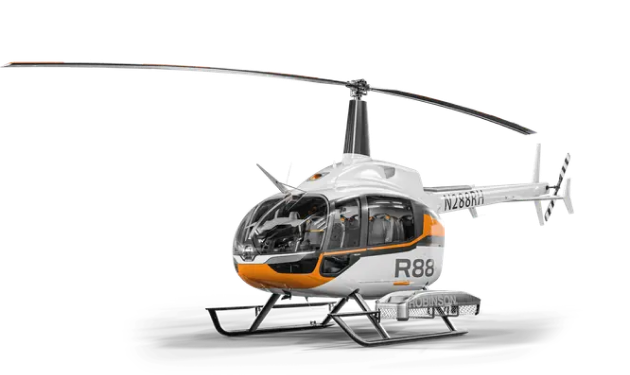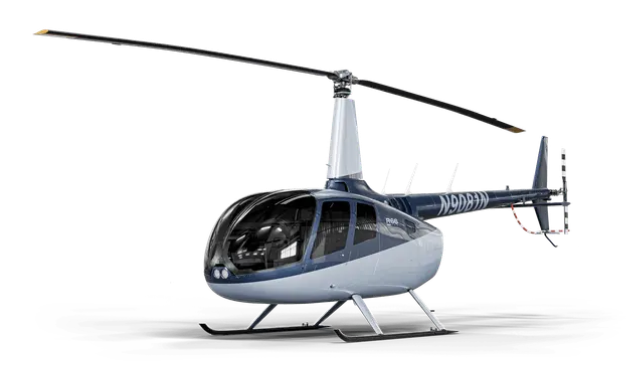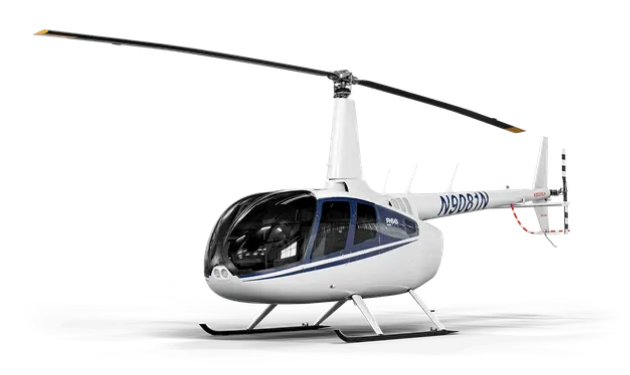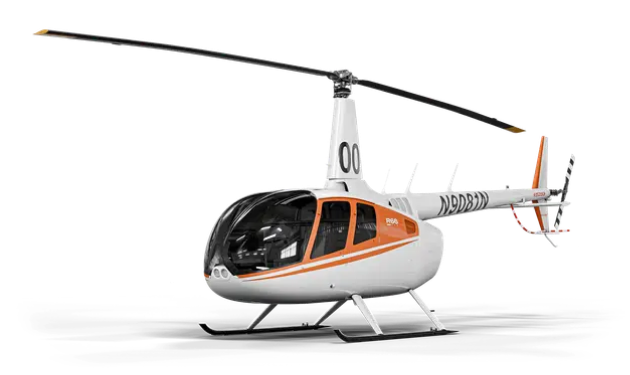

Robinson R88 —
Coming in 2029
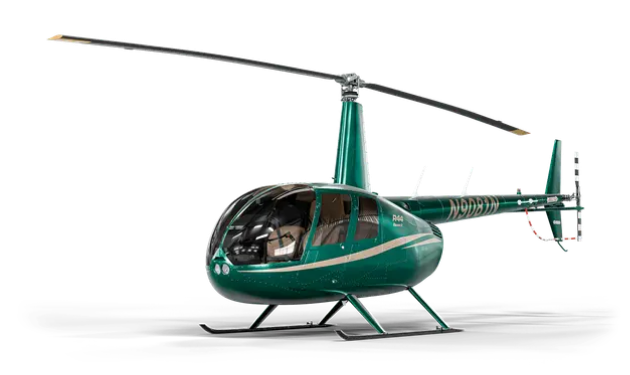
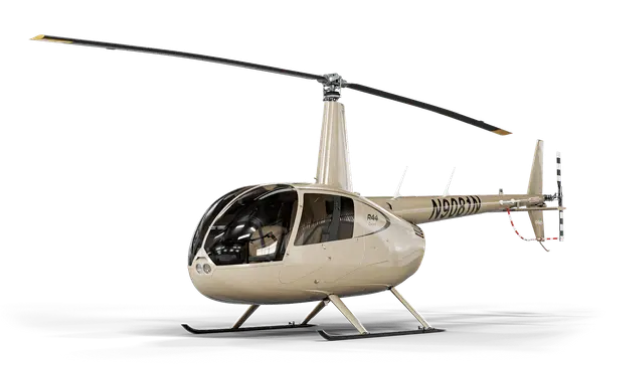
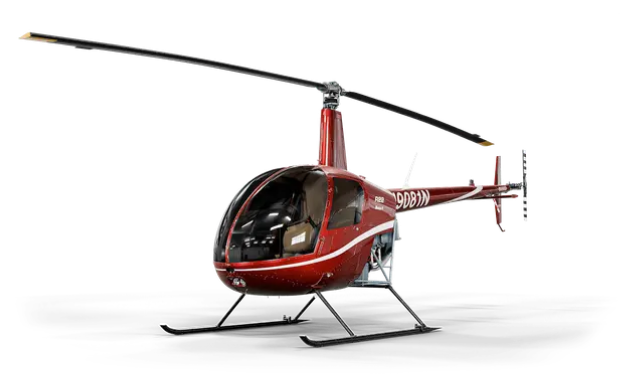
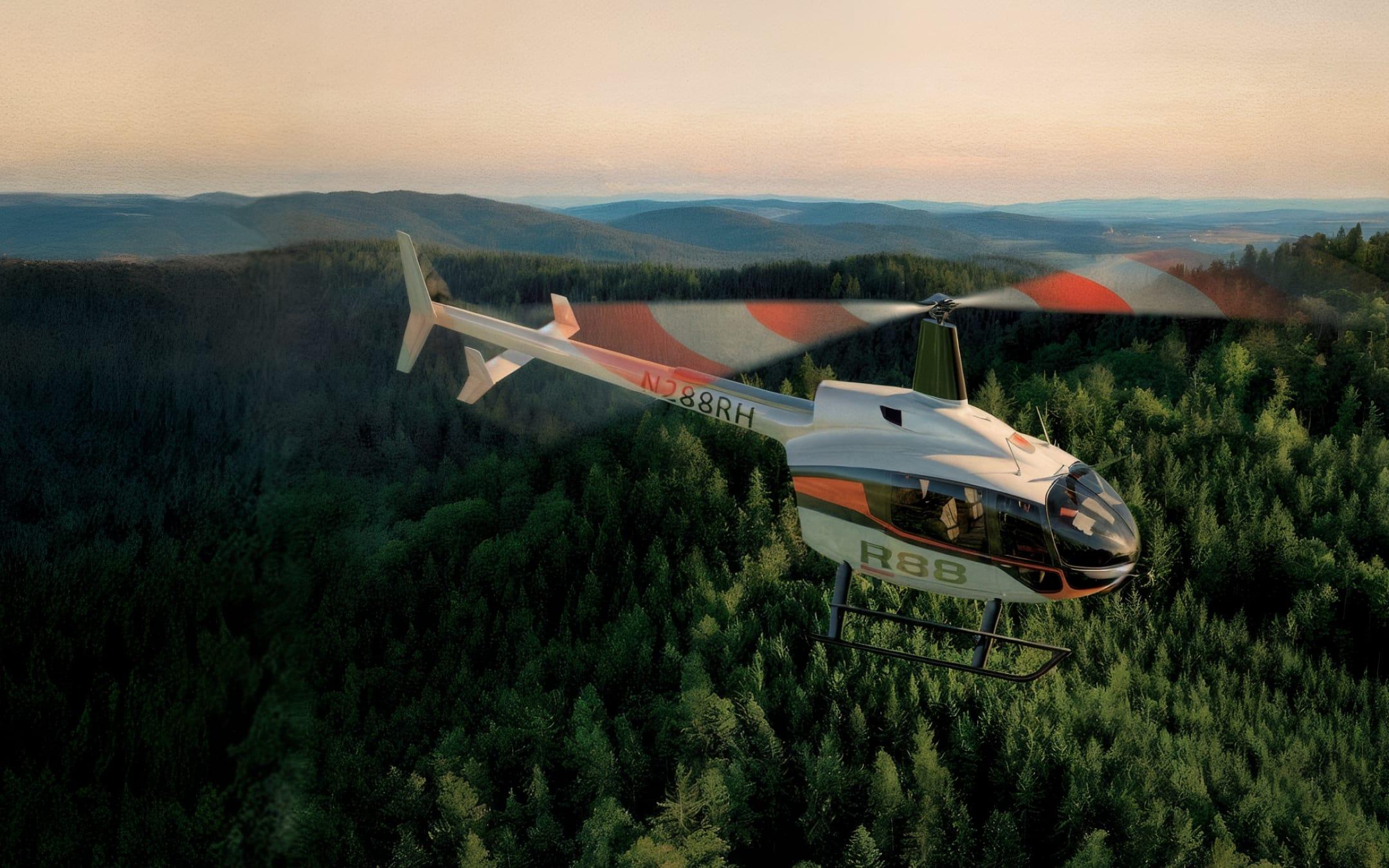
The Robinson R88 is Robinson's largest helicopter to date and can be reserved now, with first deliveries scheduled for 2029.




Lorem ipsum dolor sit amet, consectetur adipiscing elit. Nullam fringilla enim et placerat porta. Vestibulum sed tincidunt metus. Duis tristique ante et diam tempor
Lorem ipsum dolor sit amet, consectetur adipiscing elit. Nullam fringilla enim et placerat porta. Vestibulum sed tincidunt metus. Duis tristique ante et diam tempor
You must be at least 16 years old to begin training. However, to obtain the license, you must have turned 17.
Yes. For EASA PPL(H) there is no requirement for a university or high school diploma. Being literate and having enough education to follow theoretical lessons is sufficient.
The candidate must be able to conduct radio communications using aviation English. An ICAO English Level (usually at least Level 4) may be obtained.
Yes. Before starting flight training, a valid Class 2 Medical certificate must be obtained.
No. If you meet the Class 2 Medical vision standards, you can fly with glasses or contact lenses. This will be noted on your license as “corrective lenses.”
Mild color vision deficiencies may be accepted in some cases. However, severe color blindness may lead to restrictions because it can affect flight safety. This assessment is carried out by SHGM AME.