
Robinson helicopters are often purchased for personal flights, training, and business travel, but there is another interesting area of application — the tourism industry. Aerial tours, sightseeing flights, and customized tourist routes allow companies to offer travelers an experience that cannot be fully replaced by conventional ground transportation.
The Robinson R44 is particularly attractive for these purposes. Its four-seat cabin accommodates a pilot and up to three passengers, while the model itself is widely used in many countries for private and commercial flights. For a tourism company, this provides an opportunity to organize individual and small-group programs.
The main advantage of a helicopter tour is the opportunity to show a region from a completely different perspective. Coastlines, mountains, islands, historic districts, natural attractions, and major cities look entirely different from the air. Even a familiar tourist destination can become the basis for a distinctive premium experience.
A Robinson can be used for more than short sightseeing flights. With the necessary permits and suitable infrastructure, a tourism company can create routes between several destinations and combine helicopter flights with accommodation, restaurant visits, excursions, yacht marinas, resorts, and other attractions.
This format is particularly attractive for individual tourism. Premium travelers often value not only the journey itself but also the ability to create an itinerary around their own plans. A helicopter makes it possible to turn the flight into an integral part of the travel experience and create memorable impressions even before reaching the final destination.
When choosing a Robinson for tourism operations, it is important to consider expected flight duration, passenger numbers, and operating intensity. If short sightseeing flights are the company’s main product, the helicopter requirements will be different from those for regular and longer routes.
For more intensive operations, a company may consider the Robinson R66. This model is powered by a turbine engine, has five seats, and may be attractive to operators that require greater capabilities for regular commercial routes.
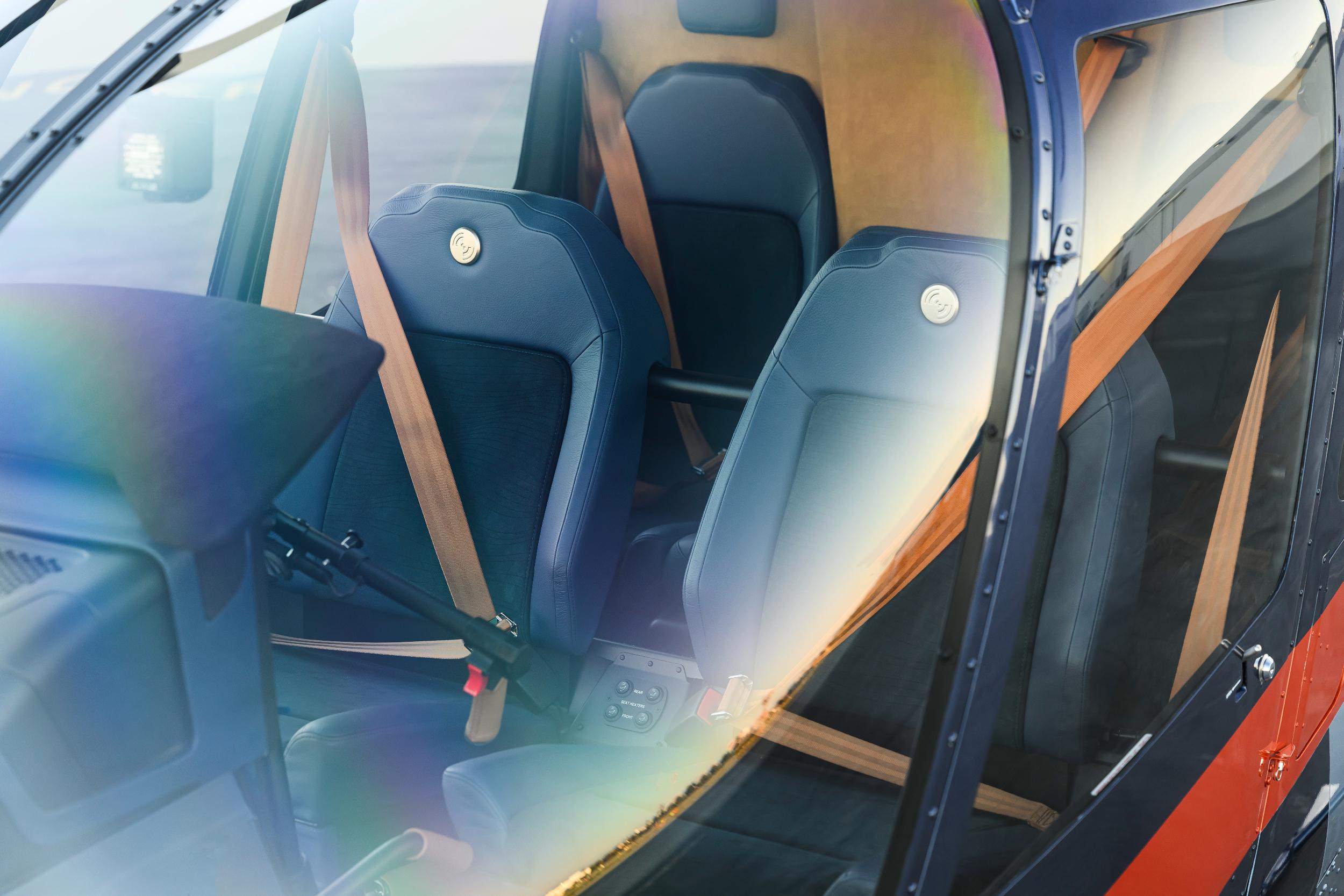
The passenger experience is also extremely important. For many tourists, a helicopter flight is their first introduction to light aviation. The condition of the cabin, visibility, boarding arrangements, and overall quality of service therefore directly influence how customers perceive the entire experience.
Owning a helicopter also gives tourism companies greater flexibility when developing new products. A company can create several routes of different durations, offer personalized programs, romantic flights, special excursions, or combine helicopter travel with other leisure activities.
Another advantage is the visual appeal of helicopter travel. A Robinson flight naturally generates impressive photo and video content. This is particularly valuable for tourism businesses: images of routes and aerial views help potential customers imagine the experience before booking.
At the same time, commercial helicopter operations require compliance with the aviation regulations of the relevant country, including appropriate permits and requirements for operators, pilots, maintenance, and specific types of flights. These conditions should be taken into account from the earliest stages of developing the business model.
Buying a Robinson for a tourism company therefore involves more than simply choosing between the R44 and R66. The first step is to define the future product: which routes will be offered, how many passengers will be carried, how frequently flights are expected to operate, and what tasks the helicopter will need to perform.
With the right model, a Robinson can become more than just a means of transportation — it can become a central part of the tourism experience.
Aerial tours make it possible to create new routes, serve individual clients, and offer experiences that are difficult to achieve through traditional forms of travel.

